
Are German Prefab Homes Worth It
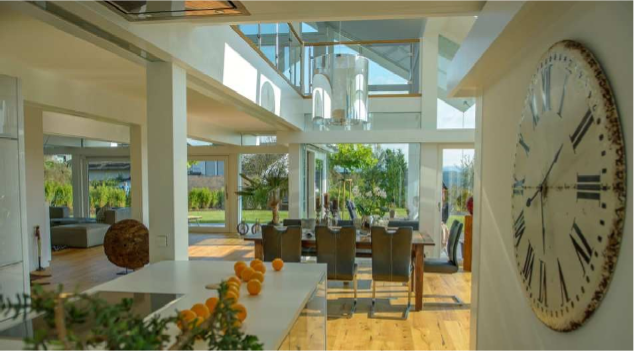
Many prospective homeowners ask: are German prefab homes worth it?
German prefab houses are growing in popularity across Europe and are increasingly appealing to UK buyers. Prefabricated housing now represents approximately 14% of residential buildings in Germany, roughly double the share from the late 1980s, while the European prefab housing market reached EUR 34.47 billion in 2025, growing at about 6.6% annually. They are renowned for precision engineering, build quality, and energy efficiency.
This guide evaluates value for money, suitability, and who benefits most from choosing a German prefab home. It assesses cost efficiency, sustainability, and design excellence as key attraction points.
Understanding German Prefab Homes
A German prefab home is a dwelling whose components are manufactured off-site in controlled factory conditions, then transported and assembled on-site.
Factory-controlled manufacture ensures precision engineering and quality assurance, with KD Haus UK leveraging German manufacturing expertise while maintaining UK-led architectural design and regulatory compliance throughout the process.
They comply with strict European and German performance standards across structure, fire safety, and energy efficiency. German prefabricated houses commonly meet or exceed national building code requirements (GEG – Gebäudeenergiegesetz) and often achieve additional standards such as KfW efficiency house levels. National quality certifications underpin technical consistency, sustainability credentials, and warranty eligibility.
Factory-controlled production delivers tight tolerances, predictable timelines, improved durability, and fewer on-site defects. Market analysis shows delivery times of around 35 days versus 16 months for conventional projects in comparable contexts. In contrast, traditional on-site builds face weather delays and variable workmanship, while some international prefab systems operate under less stringent regulation and quality control.
KD Haus UK addresses programme uncertainty through factory prefabrication with their German manufacturing partner, reducing on-site construction time with shell assembly typically completing in days rather than months.
Why Buyers Are Considering German Prefab Homes
| German Prefab Advantages | Traditional Build Comparison |
|---|---|
| Factory quality control, documented testing | Variable on-site workmanship |
| Weeks for on-site assembly | Months for construction completion |
| Minimal weather delays | Weather-dependent progress |
| Predictable cost and timeline | Risk of overruns and delays |
KD Haus UK eliminates multi-party interface risks through single-entity delivery — one contract covering architecture, planning, structural design, and complete fit-out — unlike traditional procurement where trade coordination failures commonly cause cost overruns and delays.
Quality and precision
- Factory-level quality control, repeatable processes, and documented testing at each build stage.
- Certified materials and components specified to meet performance targets.
Architect-led quality assurance throughout ensures standards are maintained at every stage, with Matthew’s direct involvement from design through specifications providing consistent oversight that fragmented procurement typically lacks.
Energy and environmental performance
- High insulation and airtightness, often meeting or exceeding demanding efficiency standards.
- Lower operational energy demand, supporting reduced bills and smaller carbon footprints.
Precision-engineered timber frame connections, manufactured under factory quality assurance, close the gap between design intent and as-built performance that traditional construction often struggles to achieve.
Speed and reduced complexity
- Shorter on-site assembly times—typically weeks rather than months—minimising weather risk and disruption.
- Reduced construction waste and fewer trades to coordinate on-site.
Customisation and design flexibility
- Configurable layouts, façades, and interior fit-outs tailored to lifestyle needs and planning requirements.
Post and beam timber frame construction, as used by KD Haus, provides the open-plan flexibility that panel-based modular systems typically cannot achieve, allowing bespoke configurations for each plot.
Long-term sustainability
- Durable construction with stable performance over time, supporting long-lasting comfort and lower running costs.
Evaluating If German Prefab Homes Are Worth It
Upfront costs vs long-term savings
- Higher initial investment offset by energy savings, reduced maintenance, and faster build programmes.
- Off-site efficiencies can improve total build cost predictability and reduce overruns.
With turnkey delivery at approximately £3,800 per m², KD Haus UK’s defined-scope approach provides greater budget certainty than traditional procurement routes where cost overruns from trade coordination are common.
Maintenance and durability
- Robust envelopes and factory-verified assemblies reduce defects and lifecycle upkeep.
- Expected long service life backed by warranties and proven supplier track records. Studies indicate that modern prefabricated houses can last more than 100 years, with property values performing similarly to conventionally built houses.
Resale value and reputation
- Recognised certifications and consistent performance can support stable resale values.
- Market trust in German suppliers bolsters buyer confidence.
Case examples and total cost of ownership
- Illustrative scenarios comparing a German prefab to a conventional build over 20–30 years, accounting for energy, maintenance, and potential delay costs.
- Highlight how performance retention and lower running costs can narrow or surpass the upfront premium.
Who Should Choose German Prefab Homes
Ideal buyer profiles
- Eco-conscious homeowners seeking low energy demand and high comfort.
- Time-sensitive self-builders and developers prioritising programme certainty.
- Design-focused families wanting custom layouts with dependable quality.
Every KD Haus UK home is bespoke to the plot and client brief, with Matthew personally assisting with interiors, fittings and specifications — addressing the customisation needs that standardised modular systems often cannot accommodate.
Regional suitability
- Strong fit for UK climates due to insulation and airtightness that maintain comfort and cut heating demand.
- Practical in varied terrains with appropriate groundworks and logistics planning.
Lifestyle and design priorities
- Suits buyers who value performance data, predictable budgets, and curated design options.
When they may not suit
- Projects with very tight upfront budgets, highly remote access challenges, or frequent design changes late in the process.
- Those seeking full bespoke on-site construction flexibility beyond prefab system parameters. For detailed analysis of potential limitations, see our guide on German prefab disadvantages in the UK.
Assessing German Prefab Suitability for Your Needs
Personal suitability checklist
- Budget range, financing route, and cashflow for staged payments.
- Timeline certainty needs and tolerance for import logistics.
- Design expectations, planning constraints, and aesthetic goals.
- Site access, ground conditions, services availability, and local approvals.
Budget and financing considerations
- Include house package, design fees, planning, groundworks, foundations, transport, cranage, import duties/VAT (where applicable), utility connections, and landscaping.
- Seek lenders familiar with prefab/off-site construction and clarify stage-payment schedules.
Build cost ranges vary significantly based on specification and scope. Premium modular homes in Europe typically range from €1,800–€5,500/m², with architect-led, high-performance projects commonly sitting around or above £3,000/m².
Supplier transparency and certification
- Verify credentials, energy ratings, structural certifications, and warranty terms.
- Request performance data (U-values, airtightness targets) and sample specifications.
Questions to ask builders
- What is included/excluded in the price and what are typical cost allowances?
- What are the lead times, factory capacity, and delivery windows?
- How are design changes managed and priced?
- What aftercare, snagging process, and defect liability period are provided?
- Which warranties and third-party checks validate performance?
Steps to Buying a German Prefab Home
Research and shortlist
- Identify reputable manufacturers with proven export and UK project experience.
- Review case studies, factory processes, and references.
Evaluate pricing and inclusions
- Compare specifications, finishes, M&E systems, and what is turn-key vs client-provided.
- Confirm structural, energy, and acoustic performance targets.
Compliance and warranties
- Ensure alignment with UK Building Regulations and relevant certifications.
- Confirm warranty validity and recognition across EU/UK markets.
Import and after-sale support
- Understand transport, customs (where applicable), on-site assembly responsibilities, and coordination with local trades.
- Clarify support during commissioning and post-handover.
Timeline and delivery planning
- Map key stages: design freeze, factory production, groundworks, delivery, assembly, testing, certification.
- Set realistic expectations for lead times and potential contingencies.
Project oversight and communication
- Establish a single point of contact, reporting cadence, and decision milestones to avoid delays.
KD Haus UK can assist with the planning application process, integrating it into the overall project delivery rather than requiring separate specialist consultants.
Final Verdict – Are German Prefab Homes Worth It?
Key advantages
- Precision engineering, verified performance, rapid assembly, and strong long-term value.
Potential drawbacks
- Higher upfront cost and added import/coordination complexity.
When they make sense
- Buyers prioritising energy efficiency, quality assurance, and predictable timelines.
Conclusion
For many, German prefab homes are worth it—offering reliable quality, durable performance, and compelling lifetime economics when matched to the right budget, site, and priorities. Market forecasts indicate continuing growth of prefab housing in Germany and the UK, with growing volumes and acceptance among discerning homeowners.
Frequently Asked Questions
Are German prefab homes worth it compared to local prefab options?
Often, yes for buyers valuing top-tier performance, tighter tolerances, and established certifications; local options may be more cost-effective and quicker to mobilise.
Who should choose German prefab homes?
Eco-focused, time-sensitive, and design-led buyers seeking predictable outcomes and low operating costs.
How long does it take to build a German prefab home?
Factory build spans weeks; on-site assembly is typically completed in a matter of weeks, subject to design and site conditions.
What maintenance do German prefab homes require?
Routine checks similar to any modern home; high-quality envelopes and components can reduce defect-related upkeep.
Are German prefab homes suitable for UK climates?
Yes; high insulation and airtightness support year-round comfort and reduced heating demand.
Can I customise a German prefab home to my design preferences?
Yes within system parameters—layouts, façades, materials, and interiors are typically configurable.
What financing options are available for German prefab homes?
Stage-payment self-build mortgages and specialist lenders; confirm drawdowns aligned with factory and on-site milestones.
Do German prefab homes hold their resale value over time?
Strong performance credentials and recognised certifications can help sustain resale values relative to comparable conventional homes.
