
German Prefab Disadvantages UK
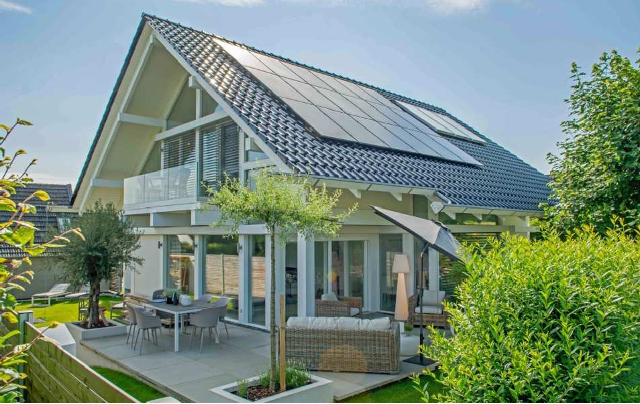
German prefab disadvantages UK are often overshadowed by the appeal of precision engineering, energy efficiency, and clean design.
While demand for prefabricated and modular housing in the UK is rising, buyers should understand the unique risks linked to importing and installing German prefab systems.
Prefab homes are taking a bigger role in UK delivery, though specific production figures vary by source and methodology. Quality, cost, and compatibility with UK standards can vary significantly across providers and projects.
This article outlines the main risks, challenges, and considerations associated with German prefab homes in the UK.
Overview of German Prefab Homes in the UK
German prefab homes are factory-built modular or panelised systems manufactured in Germany and assembled on UK sites. Their growing UK appeal stems from faster build times, consistent factory quality, and alignment with sustainability goals.
Companies like Hanse Haus have completed properties in the UK, including cottage-style homes in Cornwall that demonstrate the adaptability of German systems to local contexts.
However, perceived advantages such as energy performance, airtightness, and design precision must be weighed against less-discussed disadvantages including adaptation needs and import complexity.
UK building regulations and the UK’s mixed climate can materially influence outcomes for imported systems, requiring careful consideration during the self-build process.
KD Haus UK addresses many import-related risks through their UK-based design and project management approach, with German fabrication partners manufacturing components to UK specifications and Building Regulations from the outset.
Common German Prefab Disadvantages UK Buyers Should Know
- Customisation limits due to predefined modular catalogues geared to continental standards and dimensions.
- Design adaptations needed to meet UK Building Regulations, often extending design, approval, and engineering timelines.
- Delays and extra costs from post-Brexit customs procedures, shipping logistics, and import documentation.
- Warranty and aftercare differences between German and UK frameworks, affecting claims and service response times.
- Difficulty sourcing like-for-like replacement materials and matching finishes locally, increasing repair complexity.
Every KD Haus UK home is bespoke to the plot and client brief, avoiding the customisation restrictions inherent in catalogue-based German systems, with Matthew personally assisting with interiors, fittings and specifications throughout the process.
Technical and Structural Challenges
Standard mismatches between German DIN specifications and UK BS/EN requirements can affect structure, ventilation, and energy modelling assumptions. German prefab homes can meet UK Building Regulations when designed accordingly, but this requires careful planning and verification.
Insulation and thermal systems may need recalibration for UK humidity, wind-driven rain, and temperature fluctuations. There’s an elevated risk of condensation or moisture issues if the building envelope and vapour control are not adapted for UK weather patterns.
Factory-controlled panel manufacture and junction detailing, as implemented by KD Haus UK’s German manufacturing partners, achieves consistent airtightness results that address the moisture control challenges common with on-site construction in the UK’s variable climate.
Integration with UK electrical, plumbing, and heating systems may require specialist trades and method statements. Additional UK certifications or testing for fire performance, acoustics, and airtightness may be required before occupancy approval.
Precision-engineered timber frame connections, manufactured under factory quality assurance protocols, close the gap between design intent and as-built performance that often creates thermal bridging issues in traditionally constructed homes.
| Challenge Area | German Standard | UK Requirement | Adaptation Need |
|---|---|---|---|
| Building Standards | DIN specifications | BS/EN standards | Design verification required |
| Planning Permission | Variable by region | Full permission required | No exemptions for imports |
| Climate Adaptation | Continental conditions | Maritime climate | Moisture management critical |
Financial and Legal Concerns
Hidden costs include importing prefabricated elements, oversize transport, cranage, and redesign to UK codes. Buyers face exposure to exchange rate movements and potential tariffs or fees under current UK–EU trade rules.
With turnkey delivery at approximately £3,800 per m², KD Haus UK’s defined-scope approach provides greater budget certainty than traditional procurement routes where cost overruns from trade coordination and currency fluctuations are common risks.
Mortgage hurdles arise as some lenders apply stricter criteria for non-standard or imported prefabs, affecting valuations and offers. Insurance can be pricier due to perceived repair difficulty and parts availability risks.
Essential legal due diligence must confirm compliance with UK warranties, product certification, and building standards. All prefabricated homes must satisfy the same Building Regulations requirements as traditionally built homes, regardless of origin.
Cost considerations vary significantly based on specification, customisation levels, and site conditions. High-performance, architect-led prefab projects commonly sit around or above £3,000/m², with additional premiums for imported systems reflecting logistics, adaptation, and specialist trade requirements.
KD Haus UK operates as a single entity from architecture through handover, eliminating the multi-party interface risks and associated cost escalations that commonly affect projects using separate German suppliers and UK contractors.
Maintenance and Long-Term Performance Issues
- Sourcing spare parts and proprietary components can be difficult once the build is complete.
- Repairs may face long lead times if items must be ordered from Germany or specific partner networks.
- Durability concerns in certain UK settings (e.g., coastal humidity, high rainfall, freeze–thaw cycles) if details are not adapted.
- Limited availability of UK trades experienced in German prefab systems can slow maintenance and increase costs.
- Prioritise long-term service agreements, local technician training, and confirmed UK partnerships before purchase.
Architect-led quality assurance throughout the process — with Matthew’s direct involvement from design through specifications — ensures standards are maintained at every stage, reducing the maintenance complexities that arise from poor installation or component integration.
How to Mitigate These Challenges
Work with UK-certified partners formally representing German manufacturers to streamline compliance and aftercare. Verify designs meet current UK Building Regulations and environmental standards from the outset.
KD Haus UK can assist with the planning application process, integrating it into the overall project delivery rather than treating it as a separate workstream that can delay German prefab imports.
Obtain independent structural and legal advice before signing contracts or paying deposits. Consider local or hybrid prefab options built to UK standards to reduce import risks.
Post and beam timber frame construction, as used by KD Haus UK, provides the open-plan flexibility that panel-based modular systems typically cannot achieve, allowing bespoke configurations for each plot without the dimensional constraints of German catalogue homes.
Build contingencies into budgets and programmes for customs delays, exchange rate shifts, and testing requirements. Remember that modular homes require full planning permission in most cases, with no shortcuts for imported systems.
FAQ
What are the main German prefab disadvantages UK homeowners report?
The most commonly reported issues include customisation limitations due to standard German modules, increased costs from import procedures and currency fluctuations, delays in sourcing replacement parts, and complications with UK Building Regulations compliance that weren’t anticipated during initial planning.
Are German prefab homes suitable for the UK’s mixed climate?
German prefab homes can perform well in the UK climate when properly adapted. However, systems designed for continental European conditions may need modifications to handle the UK’s higher humidity levels, wind-driven rain, and temperature fluctuations to prevent condensation and moisture issues.
How do German prefab challenges in the UK differ from issues with locally built homes?
German prefabs face additional hurdles including import logistics, currency exposure, parts availability, and the need for specialist trades familiar with German systems. Local builds avoid these import-specific risks but may lack the factory precision and energy performance standards of German systems.
What problems with German prefab homes might affect long-term maintenance?
Long-term maintenance challenges include difficulty sourcing proprietary German components locally, longer lead times for repairs requiring parts from Germany, limited availability of UK trades experienced with German systems, and potential compatibility issues when upgrading building services.
Is it more expensive to build a German prefab home in the UK than a local equivalent?
German prefab homes often carry premium costs due to import duties, shipping, currency conversion, specialist installation requirements, and potential design adaptations. Total costs typically exceed local alternatives, though this may be offset by superior energy performance and build quality in some cases.
How can I minimise the risks when importing a German prefab home?
Work with established UK partners of German manufacturers, obtain comprehensive warranties covering UK-specific adaptations, build currency and logistics contingencies into budgets, verify compliance early in the design process, and establish local maintenance support before completion.
Do UK building regulations create obstacles for German prefab housing?
UK Building Regulations don’t inherently discriminate against German prefabs, but systems must be adapted to meet British standards rather than German DIN specifications. This can require additional engineering, testing, and certification, adding time and cost to projects.
Are German prefab homes still worth considering despite the disadvantages?
German prefab homes can offer excellent energy performance, build quality, and design precision that may justify the additional complexity and cost for some buyers. The key is understanding and budgeting for the import-specific challenges while working with experienced partners to mitigate risks.
