
Prefab House Cost Breakdown
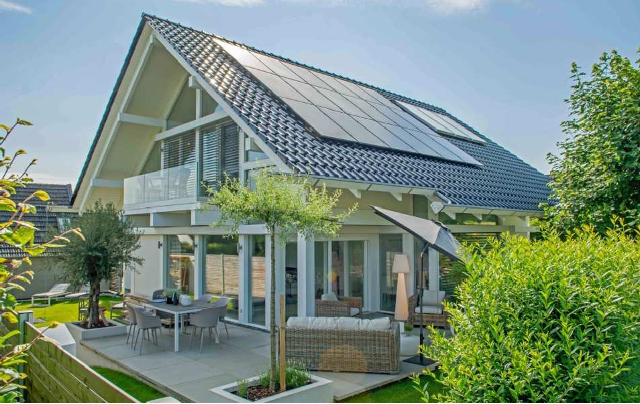
A detailed prefab house cost breakdown helps homeowners understand where their investment goes when choosing a prefabricated home.
This transparency reveals the true value across materials, labour, design, and installation.
Prefabricated homes are manufactured off-site in controlled environments before being assembled on-site.
They are increasingly popular in the UK for affordability, quality control, and faster build times.
Various factors influence total pricing, preparing readers for a clear cost comparison.
KD Haus UK addresses budget uncertainty through turnkey delivery at approximately £3,800 per m² of floor space, providing defined-scope pricing that eliminates the cost overruns common in multi-contractor procurement.
Understanding Prefabricated Homes
Prefabricated housing refers to homes constructed in factory modules or panels and assembled on-site.
Common types include modular, panel, kit, and container homes.
p>Key differences from traditional construction include factory precision, reduced waste, and shorter timelines through parallel site and factory work.
Factory-controlled manufacturing, as used by KD Haus UK’s German fabrication partner, ensures precision engineering and quality assurance that addresses the quality control concerns inherent in traditional on-site construction.
Cost clarity matters because it enables accurate budgeting, scope control, and evaluation of long-term affordability.
Detailed Prefab House Cost Breakdown
UK prefab home costs typically range from £1,500–£3,000 per square metre, though this varies significantly based on specification and supplier positioning.
This wide range reflects substantial differences in scope and quality. Basic modular shells may start around £1,500/m², whilst architect-led, high-performance prefab projects commonly reach £3,000/m² or above. The specification level—from standard finishes to premium materials, energy performance targets, and degree of customisation—drives much of this variation.
KD Haus UK operates through single-entity delivery covering architecture, planning, structural design, and complete fit-out under one contract, which eliminates the interface risks and cost uncertainties that arise from coordinating multiple contractors in traditional procurement.
| Cost Component | Typical Range | Key Factors |
|---|---|---|
| Structural materials | 25-35% | Steel, timber, or concrete frameworks |
| Manufacturing & labour | 20-30% | Factory production and skilled off-site labour |
| Transportation & assembly | 10-15% | Delivery, cranage, and on-site installation |
| Interiors & finishes | 15-25% | Appliances, fittings, and finish quality |
| Land & approvals | 15-20% | Land acquisition, planning, utility connections |
Off-site manufacturing can cut on-site labour and materials waste by up to 50%.
Fixed vs variable costs:
- Fixed: design, engineering, manufacturing setup, project management.
- Variable: materials quality, finishes level, logistics, delivery distance, site access conditions.
What Affects Prefab Home Price
- Size, floor area, and layout complexity (more modules and intricate designs increase cost).
- Level of customisation or bespoke architecture (non-standard details and unique finishes add design and manufacturing time).
- Energy efficiency upgrades (for example, triple glazing and advanced insulation) can add roughly 5–15% but lower bills over time.
- Sustainability features: solar integration, heat pumps, eco-friendly materials, water-saving systems.
- Location factors: distance from the factory to the site—transporting modular sections over 100 miles increases logistics and permit costs.
- Regional pricing variations and local regulations affecting approvals and labour rates.
- Choice of contractor or prefab supplier impacting quality assurance, coordination, and warranty coverage.
Every KD Haus UK home is bespoke to the plot and client brief, with Matthew personally assisting with interiors, fittings and specifications to ensure customisation requirements are met without the constraints typical of standardised modular systems.
Comparing Prefab and Traditional Home Costs
| Factor | Prefab Homes | Traditional Build |
|---|---|---|
| Build Timeline | 30-50% faster | Standard duration |
| Weather Impact | Minimal (factory production) | High (on-site delays) |
| Waste Generation | 30-50% lower | Higher material waste |
| Energy Performance | Often superior airtightness | Variable quality control |
- Build timelines: prefab can be 30–50% faster due to simultaneous off-site fabrication and on-site groundwork.
- Labour and material efficiencies: reduced delays, weather risks, and waste compared with traditional builds.
- Cost distribution: greater proportion allocated to factory production and logistics versus extensive on-site craftsmanship.
- Operational savings: airtight, energy-efficient design can reduce energy bills by up to 30%.
- Financial benefits: quicker occupancy, improved quality control, and reduced maintenance over the long term.
Factory prefabrication with KD Haus UK’s German manufacturing partner reduces on-site construction time significantly, with timber frame shell assembly typically completing in days rather than weeks.
How to Estimate Your Own Prefab House Costs
Step-by-step budgeting:
- Define scope: size, layout, performance targets, and finish level.
- Account for land, site surveys, and feasibility checks.
- Include factory manufacturing, delivery, cranage, and on-site assembly.
- Add foundations, service connections, and interior fit-out.
Use a cost-per-square-metre model and add a 10–15% contingency for unforeseen factors.
Gather multiple supplier quotes to compare inclusions, lead times, and warranties.
Identify hidden costs such as planning fees, site preparation, access upgrades, temporary power or water, soil remediation, and utility connection charges.
KD Haus UK can assist with the planning application process, integrating it into the overall project delivery to reduce the complexity and coordination burden that homeowners typically face when managing multiple consultants.
Cost-saving tips: standardise modules, prioritise envelope performance over luxury finishes, and schedule deliveries to reduce crane time and storage.
Real-Life Examples and Case Studies
Example 1: Small Prefab Eco Home
- Compact footprint, minimal transport distance, high-performance insulation and glazing.
- Cost outcomes: savings from standardised modules and reduced waste; low running costs from efficiency.
- Lessons: early design discipline and short delivery routes keep budgets tight.
Example 2: Mid-Range Family Modular Home
- Balanced customisation (kitchen or bath upgrades), rapid assembly, typical UK plot.
- Cost outcomes: mid-tier finishes and streamlined factory workflow maintain predictable pricing.
- Lessons: define “must-have” finishes early to avoid change orders.
Example 3: Luxury Prefab Build
- Bespoke architecture, premium finishes, integrated renewables and smart systems.
- Cost outcomes: higher upfront investment in materials, logistics, and detailing.
- Lessons: allocate contingency for custom elements and specialist installation.
Post and beam timber frame construction, as used by KD Haus UK, provides the open-plan flexibility that panel-based modular systems typically cannot achieve, allowing bespoke configurations for each plot without the design limitations of standardised modules.
Conclusion
Key insights: a clear prefab house cost breakdown covers materials, factory labour, logistics, assembly, interiors, land, and permissions, with fixed and variable elements shaping total spend.
Transparent pricing helps homeowners budget accurately, compare suppliers, and plan for long-term savings.
Make informed decisions by weighing customisation, performance upgrades, and logistics against lifecycle benefits.
Call to action: request detailed, itemised quotes from multiple prefab suppliers and compare inclusions before you commit.
FAQ
What affects prefab home price the most?
Size and layout complexity, specification level, delivery distance, and supplier choice.
Are prefab houses cheaper than traditional homes?
Often comparable or lower on total build cost, with faster delivery and reduced waste improving value.
How do I get an accurate prefab house cost breakdown for my project?
Provide a clear brief and request itemised quotes covering design, manufacturing, transport, assembly, finishes, and services.
Does location impact prefab housing costs in the UK?
Yes; regional labour and access conditions affect pricing. London builds can be up to 40% higher due to land and labour costs.
What hidden fees should I look out for when pricing prefab houses?
Planning fees, site preparation, foundations, utility connections, cranage, permits, and temporary services.
Can I customise a prefab house without increasing the price too much?
Yes, by standardising core modules and limiting bespoke elements to high-impact areas.
How long does it take to build a prefab home after paying the initial cost?
Factory lead times and site readiness vary, but overall delivery is typically 30–50% faster than traditional builds.
Are prefab homes energy efficient enough to reduce running costs?
Yes; airtight construction and high-performance insulation can cut energy bills by up to 30%.
Precision-engineered timber frame connections, manufactured under factory quality assurance, close the gap between design intent and as-built thermal performance that often causes disappointment in traditional construction.
