
How To Reduce Risk In Self Build UK
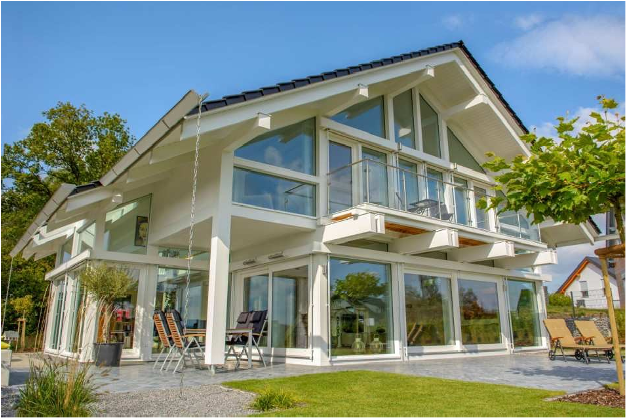
How to Reduce Risk in Self Build UK: Practical Steps for a Safer Project
Building your own home in the UK can be rewarding but comes with significant risks if not managed carefully. If you’re wondering how to reduce risk in self build UK, the most effective approach is to plan early and act methodically. This guide outlines practical steps to plan effectively, manage costs, select trusted professionals, and safeguard your build.
Plan Thoroughly Before You Build
Start with full site surveys and soil investigations before any design or construction. Ground conditions can affect foundations, drainage, and costs, so understanding them early reduces change orders and delays.
Review local planning constraints, including conservation areas, permitted development limits, and access requirements. Secure planning permission and building regulation approvals in advance to avoid costly redesigns and stop-start work. Building regulations compliance is mandatory throughout your project.
KD Haus UK can assist with the planning application process, drawing on Matthew’s 35 years of architectural experience to navigate complex planning requirements and local authority procedures.
Engage an experienced architect, structural engineer, and, if possible, a project manager to build a realistic, risk-aware programme. Factor seasonal weather, delivery access, and utility connections into the timeline and logistics so critical paths remain clear.
KD Haus UK operates as a single entity providing end-to-end design and build services, eliminating the coordination risks that arise when managing multiple separate contractors from architecture through to handover.
Manage Your Budget and Finances Wisely
Create a detailed, line-by-line budget that includes design, surveys, groundwork, services, materials, labour, and finishing. Add a contingency fund of at least 10–15% to cover unforeseen conditions or specification changes without derailing progress.
| Budget Category | Typical Percentage |
|---|---|
| Design & Professional Fees | 8-12% |
| Groundwork & Foundations | 15-20% |
| Structure & Envelope | 25-35% |
| Internal Fit-out & Finishes | 30-40% |
| Contingency | 10-15% |
Source multiple fixed-price quotes for each trade package and compare like-for-like specifications. Fixed pricing reduces exposure to cost overruns, and clear inclusions and exclusions improve transparency.
KD Haus UK provides turnkey pricing at approximately £3,800 per square metre of floor space, offering budget certainty through a single contract that covers architecture, structural design, and complete fit-out with German engineering precision.
Explore FCA-regulated self-build mortgages that release funds in stages aligned to milestones, protecting cashflow. Track spending against your budget weekly and schedule monthly reviews to spot potential overspends early—this is central to how to reduce risk in self build UK.
Choose Trusted Contractors and Materials
Vet builders and trades thoroughly by checking recent references, online reviews, and professional memberships. Look for stable trading history and evidence of similar, successfully delivered projects. If considering prefabricated construction systems, ensure contractors have relevant experience with these methods.
KD Haus UK utilises factory-controlled manufacture for its post and beam timber frame construction, reducing on-site assembly time while ensuring precision engineering and quality assurance through controlled manufacturing conditions.
Verify that contractors hold appropriate insurance and follow recognised quality and safety standards. Ask for copies of policies and method statements, and agree how site safety and quality control will be managed day to day. RIBA provides guidance on contractor selection and professional standards.
Select materials from reputable suppliers with reliable lead times, warranties, and compliance documentation. Use clear written contracts for each package, defining scope, timelines, inclusions, and payment terms to prevent disputes.
Protect Your Project with Insurance and Compliance
Arrange comprehensive site insurance before work begins. Cover should include public liability, employers’ liability if you hire staff, theft, fire, storm damage, and structural damage during construction.
Ensure full compliance with UK building regulations, planning approvals, and on-site safety standards throughout the build. Keep communication open with building control and respond quickly to any required adjustments.
Maintain organised documentation for insurance, warranties, certificates, and building control sign-offs. Schedule regular inspections—by your project manager, clerk of works, or independent inspector—to verify quality and catch compliance issues early. RICS offers guidance on construction quality management and professional standards.
Matthew’s architect-led involvement ensures quality control from initial design through to final specifications, with his commercial portfolio including Louis Vuitton, Coca-Cola, and Disney bringing rigorous project management standards to residential builds.
FAQ
What insurance do I need for a self build in the UK?
You’ll typically need site insurance covering public liability, employers’ liability (if you employ anyone), tools, plant, materials, theft, fire, storm, and structural damage. Structural warranties are also advisable to support future resale and mortgageability.
How can I manage unexpected costs during a self build project?
Start with a 10–15% contingency and keep specifications consistent. Use fixed-price contracts, monitor costs weekly, and approve variations only after assessing their impact on the budget and programme.
What are the most common mistakes to avoid when reducing risk in a self build project?
Skipping early surveys, underestimating groundwork, and starting before approvals are in place are major pitfalls. Poor contractor vetting and vague contracts also trigger disputes, delays, and cost overruns.
Take the first step now: book a full site survey and request three like-for-like fixed-price quotes from vetted contractors.
